


Got Question about the News?
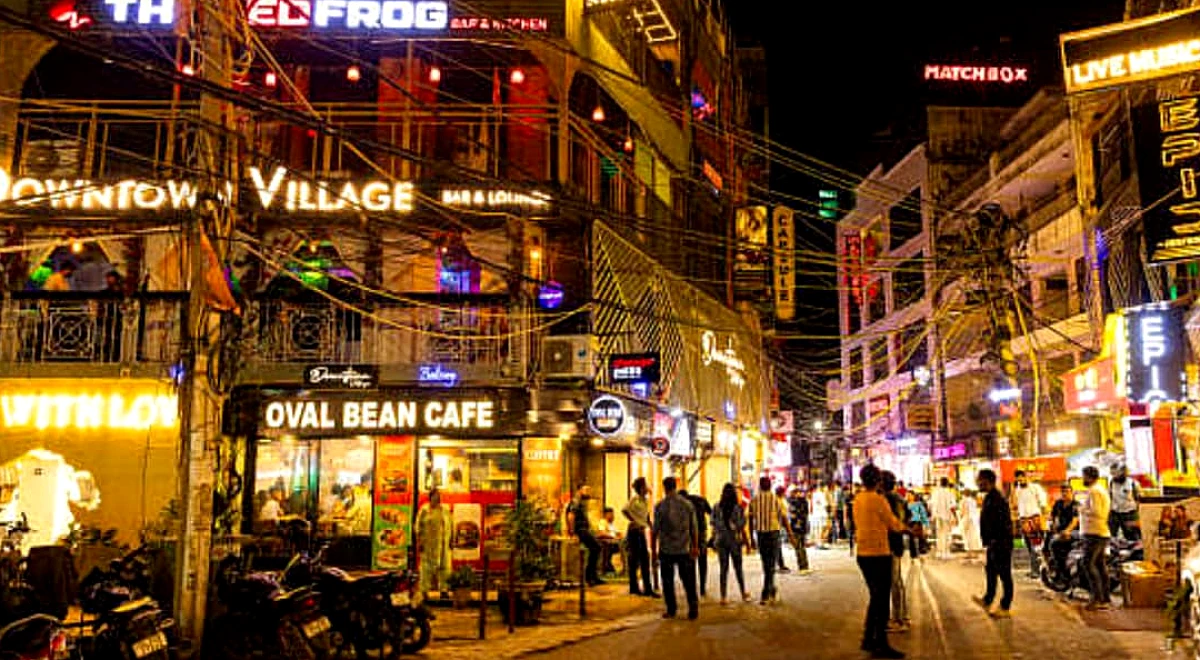
Delhi, a city that usually goes quiet once the sun sets, could be gearing up for a very different kind of night. The Master Plan of Delhi 2047, notified on Thursday, has laid out a long-term vision to turn the capital into a 24×7 economy — one where restaurants, markets, cultural spaces and workplaces stay lit up well past conventional hours.
The plan promotes what it calls a “24-hour city" by identifying nodes, precincts and circuits across Delhi that can pull in both tourists and locals after dark.
The idea, essentially, is to stop letting the city’s most happening spaces go dead every evening — and instead let them run longer, whether that’s a market staying open past midnight, a cultural venue hosting a late show, or a workspace doubling up as a night-time hangout.
Some of the city’s biggest crowd-pullers are expected to anchor this new night-time economy. According to the plan, these include:
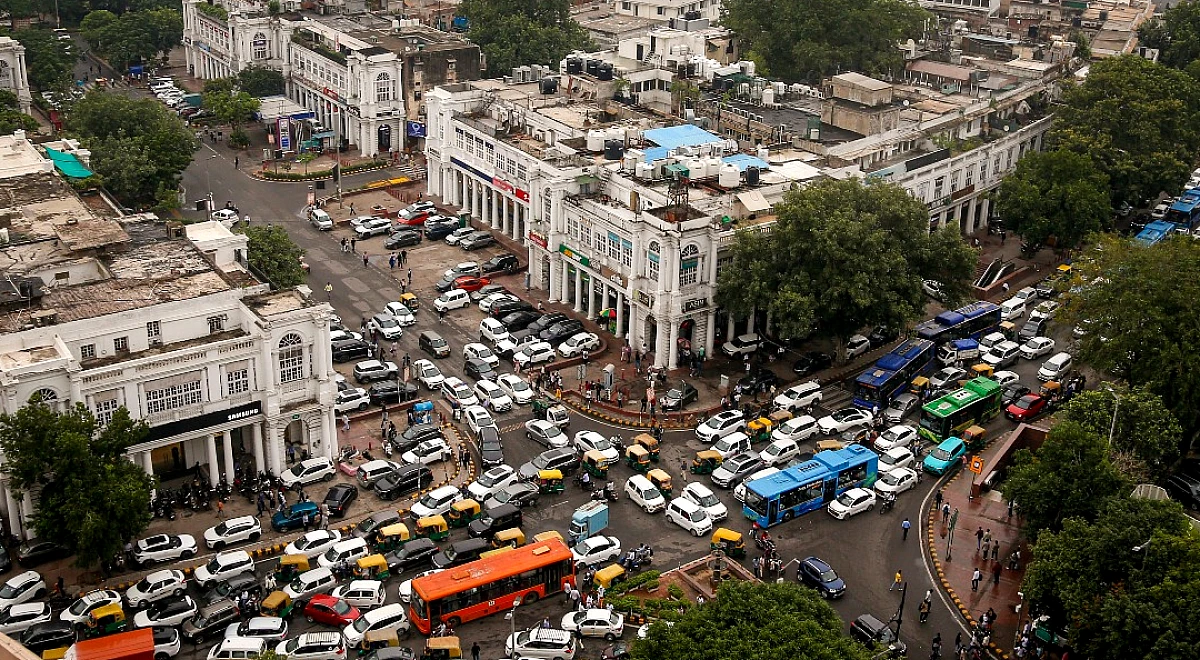
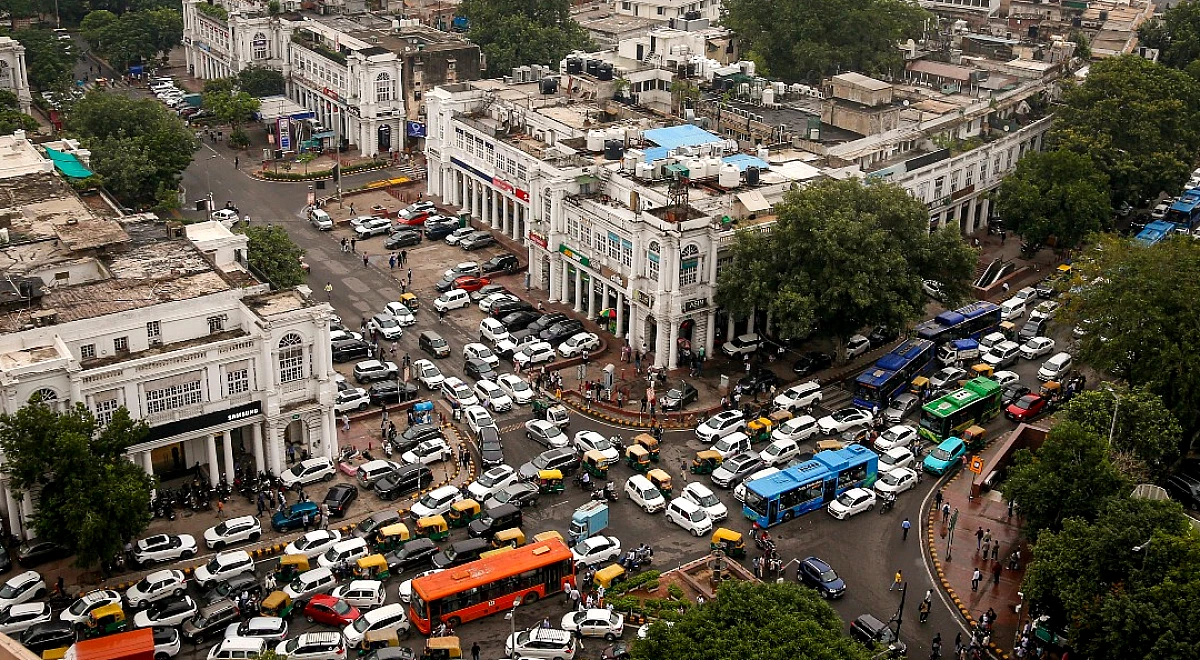
• Connaught Place — already a nightlife magnet, likely to get more organised late-night activity
• Hauz Khas — the urban village and its market could see extended hours for cafes, bars and cultural spots
• Chandni Chowk (the Walled City) — envisioned as a heritage and cultural night circuit
• India Gate lawns — proposed as a city-level public hub for evening and night use
• Nizamuddin and Chirag Dilli — flagged as cultural circuit nodes
• Mehrauli — another urban village earmarked for late-night public life
The plan also proposes reclaiming disused spaces — old quarries, landfills, ash dykes and defunct thermal plants — and repurposing them into public or event spaces over time.
This isn’t just about shops staying open late. The plan talks about:
• Extended operating hours for restaurants, retail stores, and sports and cultural facilities, to be permitted by the relevant civic agencies
• Pedestrianised “active travel areas" in Delhi’s markets, designed for people to walk, shop and hang out longer
• Themed night walks, seasonal festivals and dedicated night markets, developed with artists, vendors’ associations and residents’ groups
• Green-blue corridors and heritage circuits aimed at drawing footfall after dark
Local bodies and the Delhi government’s Tourism Department are expected to jointly identify and develop these cultural and commercial circuits.
A city that parties till late needs a way to get everyone home safely — and that’s where the plan leans heavily on public transport.
Round-the-clock connectivity, including extended Metro services, is flagged as essential to make a night-time economy actually work, rather than leaving people stranded once the last train pulls out.
That’s the bigger question. The plan’s success will hinge on execution — safety, policing, street lighting and coordination between multiple civic agencies will all need to keep pace with longer hours. A market staying open till 2 am means little if people don’t feel safe walking to it or getting home from it.
If it comes together, though, the payoff could be real: more jobs and business across hospitality, retail, entertainment and the creative economy, and a Delhi that finally competes with global cities that never really switch off after dark.
The Master Plan for Delhi 2047 includes plans for 24x7 public transport, including metro and bus services.
The Master Plan of Delhi 2047 aims to boost tourism and local trade by encouraging nightlife, extending operating hours for businesses, and developing cultural and commercial circuits around tourist spots and public spaces. This plan seeks to create a "24-hour city" by identifying areas that can attract both tourists and local residents.
Comments ()
Be the first to share your perspective on this story!