

You don’t have any Active Subscription.
Subscribed with another email? Logout and Login with that one.
Account subscription benefits alongside Premium Stories, Editorials, Opinions and more. Unlock these with Subscription
Additional Subscription Benefits
Need help with your subscription?
The View From India Looking at World Affairs from the Indian perspective.
First Day First Show News and reviews from the world of cinema and streaming.
Today's Cache Your download of the top 5 technology stories of the day.
Science For All The weekly newsletter from science writers takes the jargon out of science and puts the fun in!
Data Point Decoding the headlines with facts, figures, and numbers
THEdge At the cutting edge of education and careers
Health Matters Ramya Kannan writes to you on getting to good health, and staying there
Gender Agenda Stories from beyond the binary.
On Books Books of the week, reviews, excerpts, new titles and features.
Published - August 24, 2026 06:55 am IST - NEW DELHI
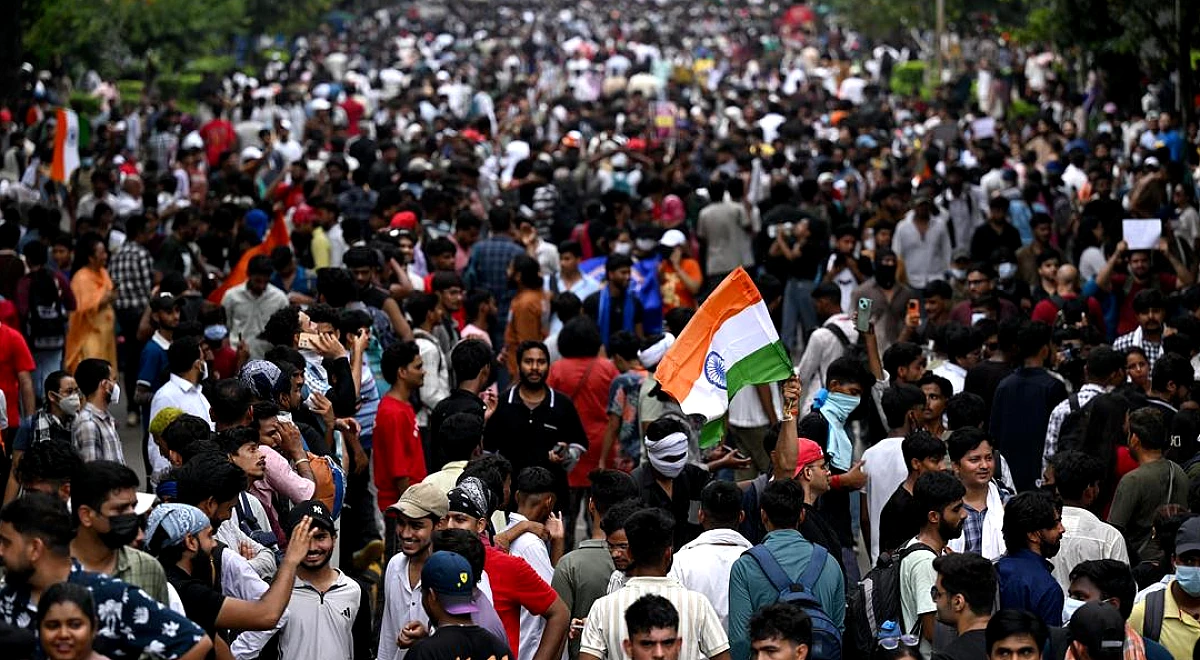
Cockroach Janta Party supporters celebrate as Union Education Minister Dharmendra Pradhan resigns after protest over examination irregularities and NEET paper leak, at Jantar Mantar in New Delhi on July 25, 2026. | Photo Credit: Sushil Kumar Verma
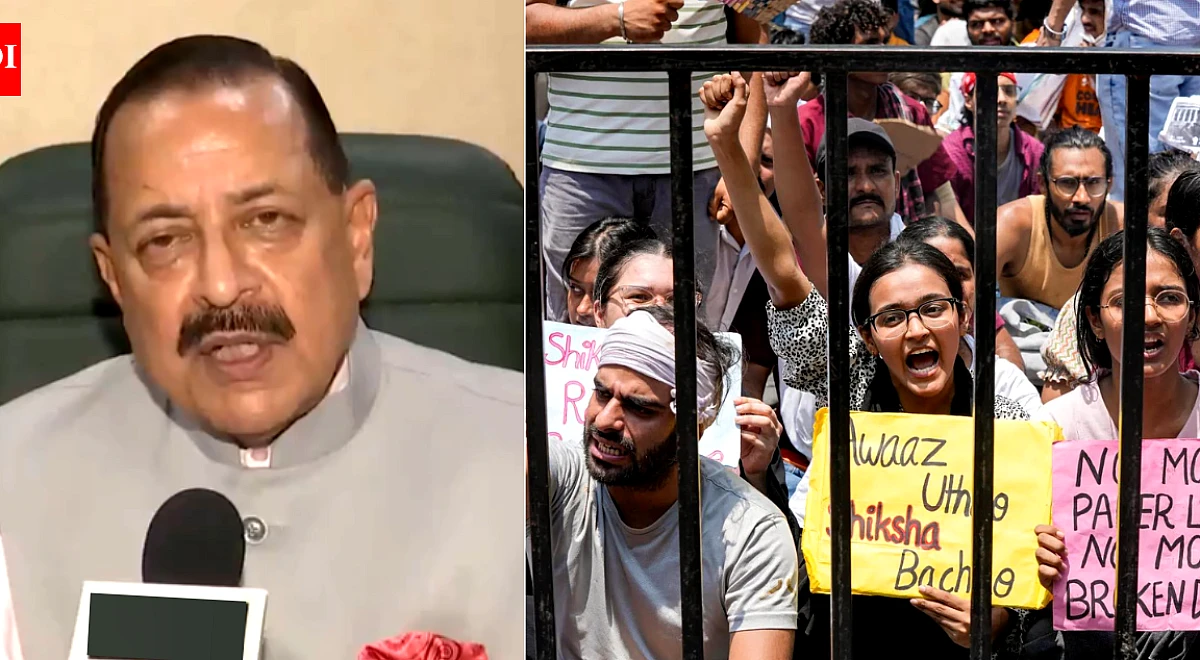
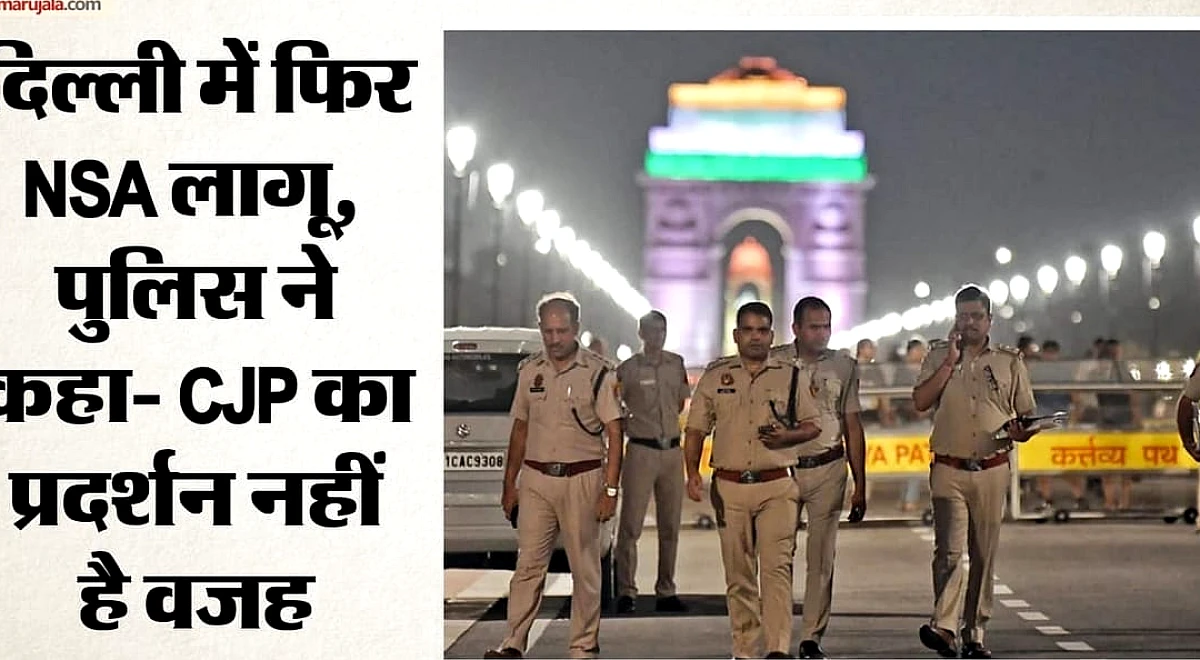
Police used excessive force, including electric shock devices and pellet guns, against youth-led protests that forced Union Education Minister Dharmendra Pradhan to resign last month, Amnesty International said Monday (August 24, 2026).
A report from the rights' group clashes with the police account that force was used only after protesters turned violent, and comes after the Supreme Court set up a panel on Thursday (August 20, 2026) to investigate violence by both police and demonstrators.
Demonstrations in New Delhi, triggered by the leak of NET-UG paper, turned violent on July 20 when thousands of protesters attempted to march towards Parliament.
Amnesty said witness testimony and visual evidence it had verified confirmed the use of "pellet-firing shotguns, tear gas launchers, grenades, batons and electric shock devices against protesters" in Delhi and Bihar.
Amnesty said it had also verified two instances of a police officer "unlawfully using lethal force against a crowd" in Bihar's Siwan district. No one was killed. "The weapons were deployed in a manner that breached international law and standards and domestic policing guidelines," it added.
Amnesty said that there were "isolated incidents of protesters throwing stones", but that the "heavy-handed response was state-sanctioned violence masked as crowd control."
Delhi Police said in a Supreme Court hearing last week they had used force only after protesters "resorted to violence". They said anti-social elements "masquerading as aggrieved students" caused "grievous injuries" to security forces.
On Friday (August 21, 2026), Congress leader Rahul Gandhi staged a sit-in outside a Delhi police station with a 19-year-old protester who said he was injured by pellets during the demonstration.
Mr. Gandhi demanded a police investigation into the shooting, and officers later registered a case over the complaint.
Published - August 24, 2026 06:55 am IST
Delhi / police
Terms & conditions | Institutional Subscriber
Comments have to be in English, and in full sentences. They cannot be abusive or personal. Please abide by our community guidelines for posting your comments.
We have migrated to a new commenting platform. If you are already a registered user of and logged in, you may continue to engage with our articles. If you do not have an account please register and login to post comments. Users can access their older comments by logging into their accounts on Vuukle.
Comments ()
Be the first to share your perspective on this story!