


Got Question about the News?
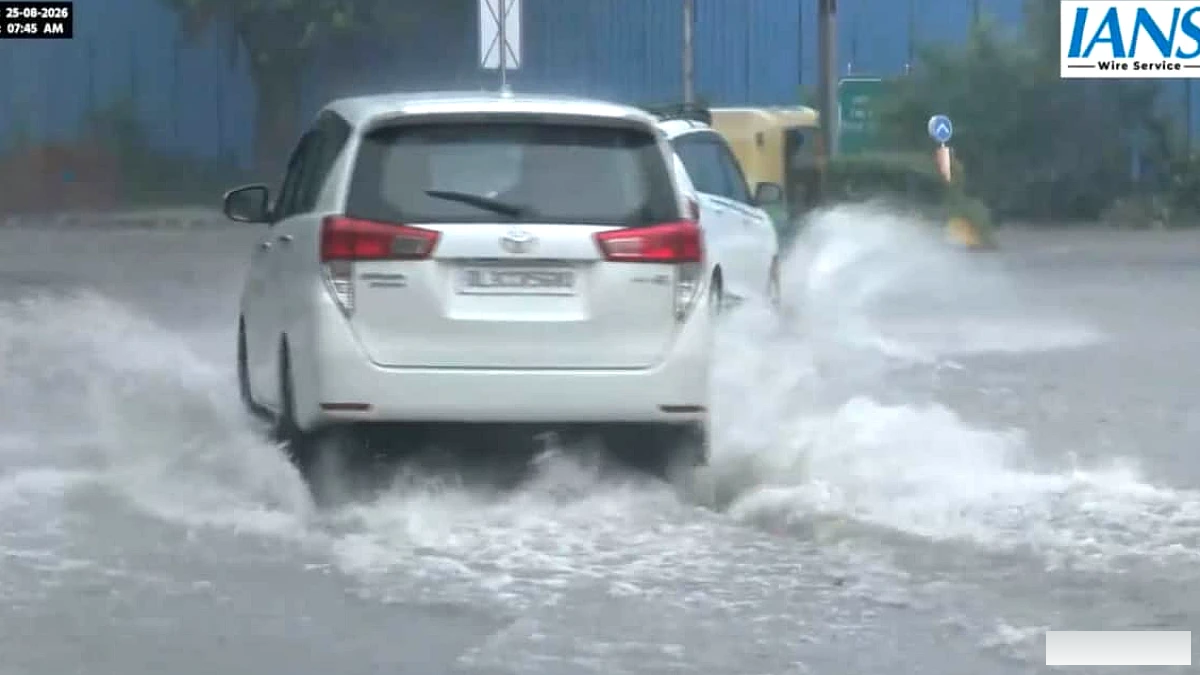
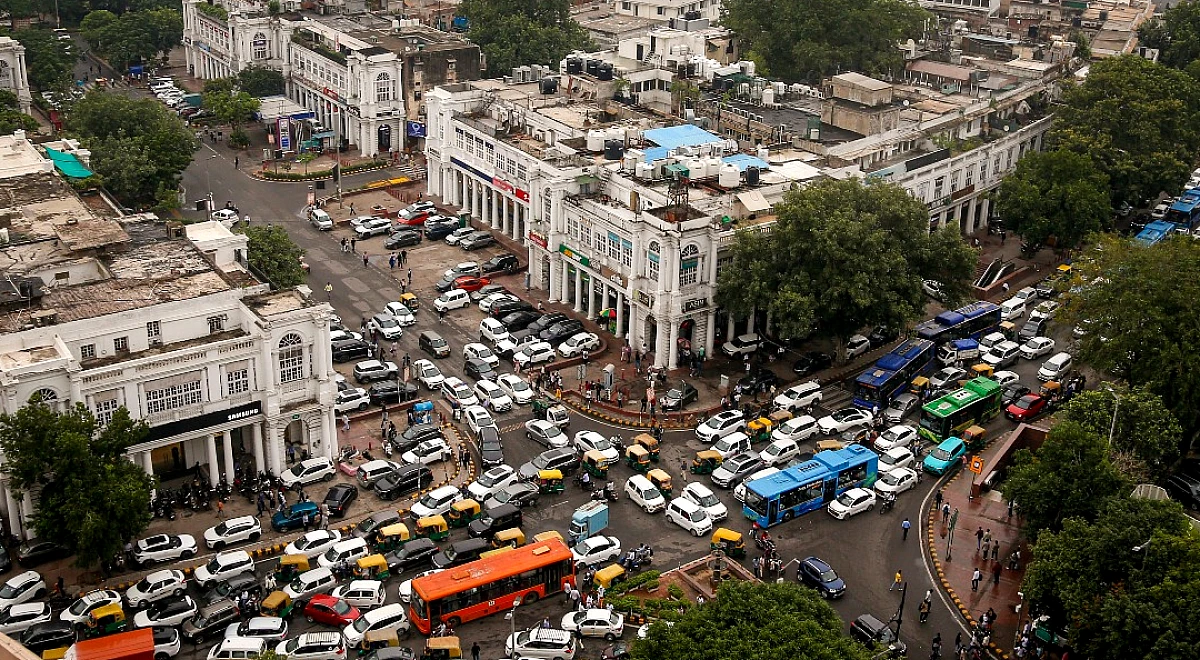
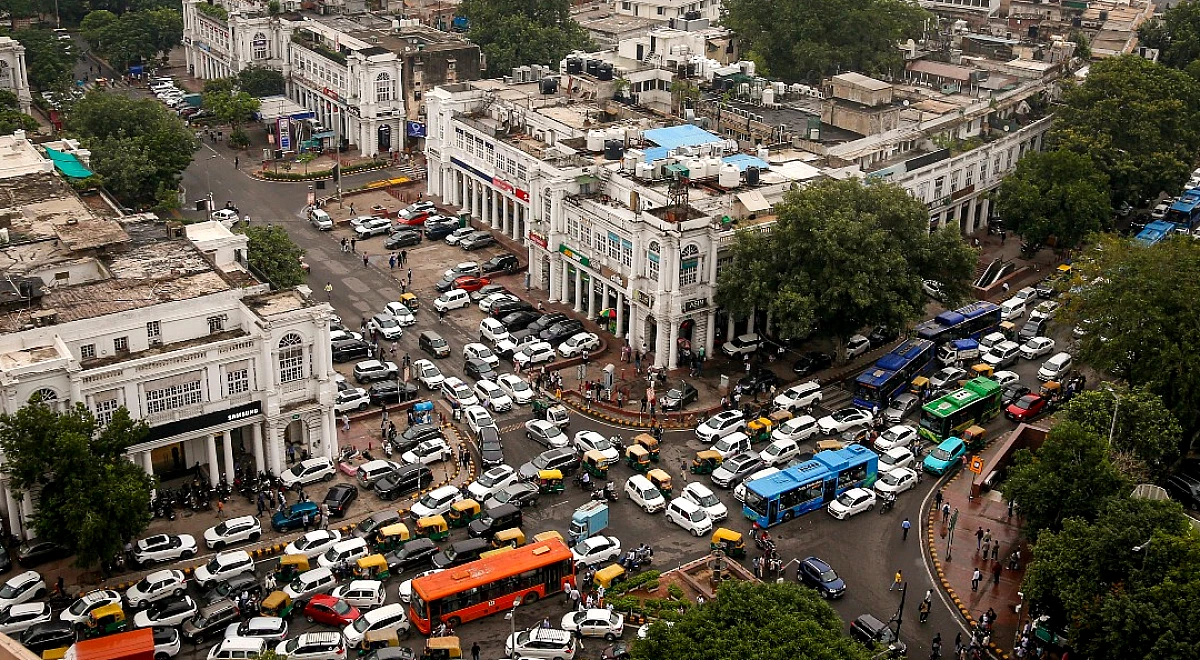
Delhi’s morning began under a red alert on Tuesday, in force till 9:45 am, as fresh visuals showed roads waterlogged across the city — North Delhi’s Kamla Nagar market resembling a canal, and Rajaji Marg among the stretches submerged.
Tuesday’s downpour followed a day of similarly erratic weather. On Monday, the IMD had forecast little more than isolated light showers, only for rain to intensify through the day, with the heaviest spell packed into a single hour between noon and 1 pm.
ये कोई झील, नदी या नाला नहीं है.ये उत्तरी दिल्ली का बड़ा बाजार कमला नगर मार्केट है.
आज सुबह से जारी बरसात के बाद सड़क पर नहर की तरह बह रहा पानी.@SandhyaTimes4u @NBTDilli #rain #delhi pic.twitter.com/iIXY6rPuvB
— सूरज सिंह/Suraj Singh 🇮🇳 (@SurajSolanki) August 25, 2026
The spell began around 11 am after a clear, sunny start, with dark clouds rolling in within minutes and rain continuing on and off till late evening. The rain window from 8:30 am to 5:30 pm left several low-lying stretches waterlogged.
On Monday, Janakpuri recorded the city’s highest rainfall at 72.5 mm, followed by Ayanagar at 70 mm and Chhatarpur at 61.5 mm, IMD data showed.
Palam logged 58.2 mm, while Ridge and Lodhi Road recorded 43.2 mm and 41.7 mm respectively. Areas like Jharoda Kalan and Jaffarpur saw far lighter showers, at 9 mm and 5 mm. Monday’s maximum temperature had settled at 32.3°C, 1.8 degrees below normal, while the minimum stood at 27.8°C — 1.4 degrees above normal. Humidity levels through the day ranged between 78 and 100 per cent.
According to a report by Dainik Jagran, IMD senior scientist Krishna Mohan attributed the burst to a low-pressure area stretching from West Bengal to southwest Uttar Pradesh, which collided with cooler westerly winds moving in from the opposite direction — a clash that triggered the abrupt, heavy spell. That instability appears to have carried into Tuesday, with the red alert now in force through the morning.
Weather experts, according to the publication, say the whiplash — scorching humidity giving way to sudden torrential rain — fits a broader trend.
A Centre for Science and Environment (CSE) report has linked rising heat and moisture levels in the capital to climate change, warning that this is making Delhi’s weather increasingly volatile. Global shifts, including El Niño and rising temperatures, are also being blamed for compressing monsoon rainfall into shorter, more intense bursts across India.
Light rain is expected to continue through Tuesday, with IMD forecasting a let-up from Wednesday, when temperatures are likely to climb again.
Weather experts indicate that the sudden shifts between scorching humidity and torrential rain in Delhi align with a broader trend.
Climate change, including global shifts like El Niño and rising temperatures, is making India's weather more volatile and is compressing monsoon rainfall into shorter, more intense bursts across the country.
Comments ()
Be the first to share your perspective on this story!