


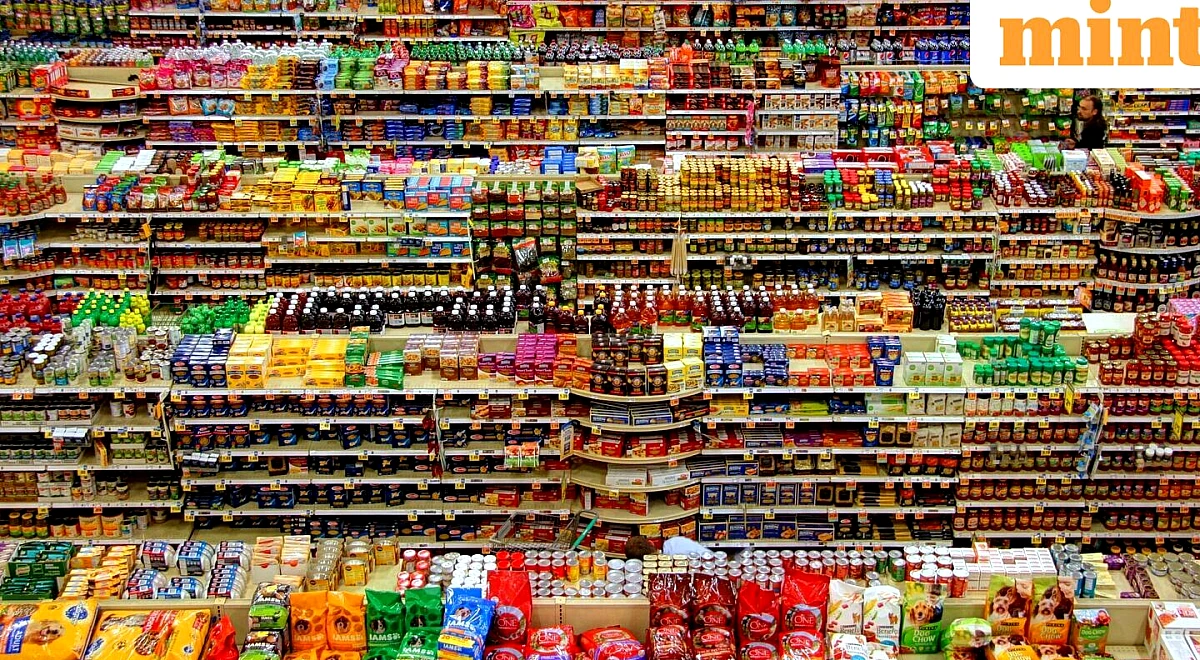
On 13 August, the Supreme Court slammed India’s food regulator for delaying the implementation of front-of-the-pack warning labels on junk food, asking the Centre to take a final decision within a fortnight. The court also rejected the stance that the country cannot implement global best practices.
Warning labels, which alert consumers to high sugar, salt, and fat content in ultra-processed foods (UPF), are yet to be implemented, though India began deliberations over a decade ago.
Mint explains the significance of the latest court order and why it is crucial to combat childhood obesity and the surge in non-communicable diseases like diabetes and hypertension.
In its latest order, the apex court directed the Food Safety and Standards Authority of India (FSSAI) to decide on warning labels for UPF packets to alert consumers to high salt, sugar, and fat content in such items. The court first suggested warning labels for consumers as front-of-the-pack labels (FoPL) in a 10 February 2026 order.
It explicitly rejected the FSSAI’s argument that India cannot match international standards and cited examples from Chile, Israel, and Canada, where warning labels have been successfully implemented.
The court also refused to hear the counsel for the food industry, arguing that public health cannot be held hostage to commercial interests. “The environment surrounding children and us is quietly dictating our habits. A standard labelling format would reduce confusion and make it easier for consumers to make informed purchasing,” the court said, adding that a child is exposed to ultra-processed food like packaged chips, biscuits and beverages “often before they are equipped to evaluate what they are consuming”.
The 14-page order cites a 2025 UNICEF report on child nutrition, which finds that the incidence of overweight among schoolchildren and adolescents (5-19-year-olds) rose fivefold from 2% to 10% in the two decades to 2020. Citing the Economic Survey (2025-26), the court noted that the incidence of obesity doubled between 2009 and 2023—a period during which the UPF market size ballooned by 150%.
The order also referred to findings of the National Family Health Survey, published in May, observing that “consumption of processed foods is leading to higher risk of diabetes, heart disease and hypertension”.
In addition to evidence from India, the court order cites the successful implementation of warning and nutrition labels in Chile and Canada, which led consumers to reduce their purchases of junk food and pushed food companies to sell healthier variants.
The apex court has urged the government to make a decision at the earliest, within two weeks (27 August). Expressing its seriousness, the court said in its order that “if the Union (government) does it on its own, well and good, otherwise we will proceed to pass further directions”. The case will be heard next on 10 September.
"The Supreme Court has left nothing to chance. It has quoted the Economic Survey, cited international examples, and framed this as a constitutional right to health. The FSSAI has no more excuses,” said Arun Gupta, convenor of Nutrition Advocacy in Public Interest (NAPi). Gupta added that warning labels will be a historic victory for the health of the country's children.
The dietary guidelines released by the National Institute of Nutrition in 2024 cautioned that Indian diets are heavy in cheap cereals, which account for 50-70% of daily energy intake. In comparison, protein sources contribute just 7-9% of energy needs, which is half of the recommended levels.
Households tend to consume more packaged foods and cereals because they are cheap and readily available, unlike expensive, nutrition-packed sources such as nuts, meats, fruits and greens. For low-income households, a packet of savoury snacks or biscuits often serves as a substitute for small meals, especially for children who are hooked on junk food.
The 2023-24 consumption expenditure survey showed that, on average, rural families spent nearly 10% of their per-capita monthly expenses on processed food and beverages, more than they spent on either education or health.
In addition to mandating warning labels, experts have suggested curbs on advertising and marketing, a clear definition of UPF, and a ban on the sale of sugary beverages and junk food in school canteens.
On 9 August, doctors and nutritionists under the umbrella of the Nutrition Alliance for Public Interest petitioned the health, information and broadcasting ministries to restrict advertising of unhealthy food products across television, print and digital social media channels. Other suggestions include prohibiting celebrity endorsements, influencer marketing, and promotional incentives like buy-one-get-one-free offers.
The Economic Survey suggested that the government could explore the possibility of raising taxes and instituting a surcharge on UPF items. The revenue generated could fund public health initiatives such as nutrition education and improvements to school meals, the survey suggested. The Supreme Court's latest order mentions this recommendation from the Economic Survey.




Comments ()
Be the first to share your perspective on this story!