


Got Question about the News?
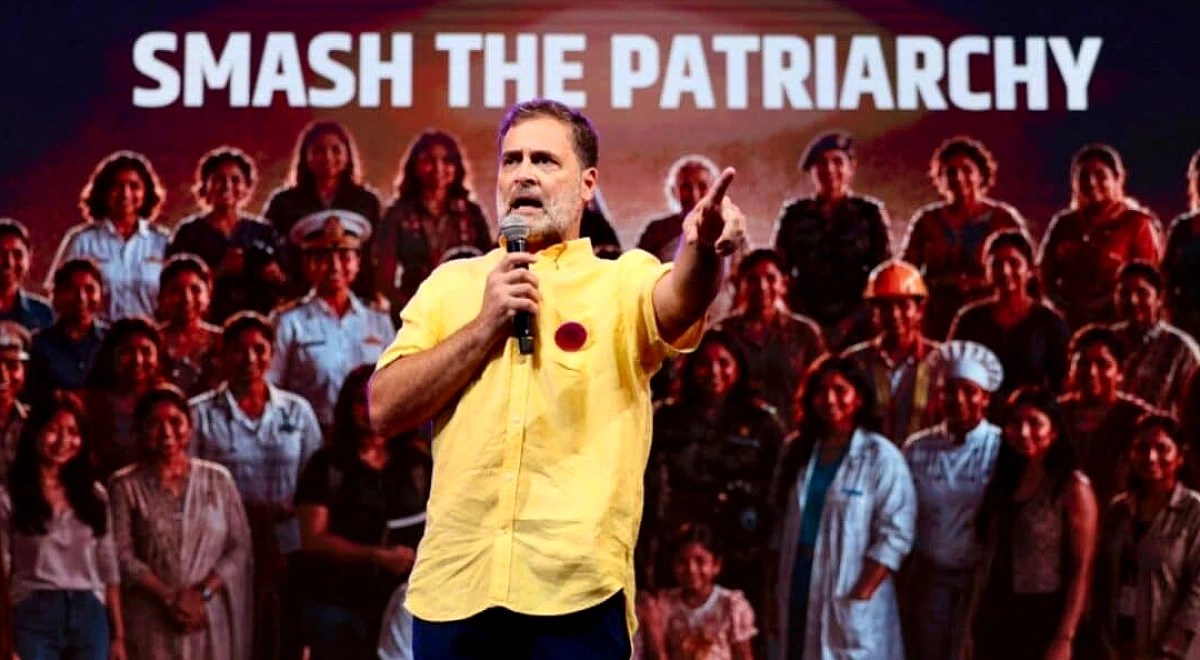
A day after Congress leader Rahul Gandhi addressed the ‘Chhatron Ki Goonj’ event in Pune and called on women to “smash patriarchy", BJP leader Amit Malviya hit back, questioning the Congress leader’s record on women’s representation.
In a post on X on Sunday, Malviya said Gandhi’s rhetoric on women’s empowerment may “sound impressive" but argued that the Congress-led governments’ record tells a different story.
Malviya pointed to the representation of women in key constitutional and political positions under Congress-led and BJP-led governments. He listed Pratibha Patil, who served as president during the UPA era, and Droupadi Murmu, India’s first tribal woman President, under the BJP-led government.
He also compared the number of women chief ministers, Union ministers and governors under the two political formations.
According to Malviya’s post, the UPA-era Congress had Sheila Dikshit as a woman chief minister, while the BJP-led governments since 2014 have had women chief ministers including Anandiben Patel, Vasundhara Raje and Rekha Gupta.
He further listed women who held Union ministerial positions under successive governments, including Nirmala Sitharaman, Sushma Swaraj, Smriti Irani, Annapurna Devi, Uma Bharti and Najeema Heptulla among those serving under BJP-led governments.
Rahul Gandhi’s “Smash Patriarchy" rhetoric sounds impressive, until you look at the record.If women’s empowerment is measured not by speeches but by who is actually entrusted with constitutional and executive authority, the contrast between the Congress-led UPA era (2004–14)… pic.twitter.com/ZxZsChxu2L
— Amit Malviya (@amitmalviya) August 23, 2026
Malviya also highlighted women in other constitutional and important positions, including Sumitra Mahajan, who served as Lok Sabha Speaker from 2014 to 2019, and Ruchira Kamboj, who served as India’s Permanent Representative to the United Nations.
He argued that the actual test of women’s empowerment was not political messaging but whether women were entrusted with positions of authority.
“The real test of empowerment is not how loudly you denounce patriarchy. It is whether you actually trust women with power," Malviya wrote.
His remarks came a day after Gandhi, while interacting with women and girl students in Pune, described women as India’s “biggest asset" and urged them to challenge patriarchal attitudes. Gandhi said, “Women are the strength of India – its foundation, its present, and its future. You belong to no one but yourself. Be loud. Be proud. Fight for your space. Smash the patriarchy!"
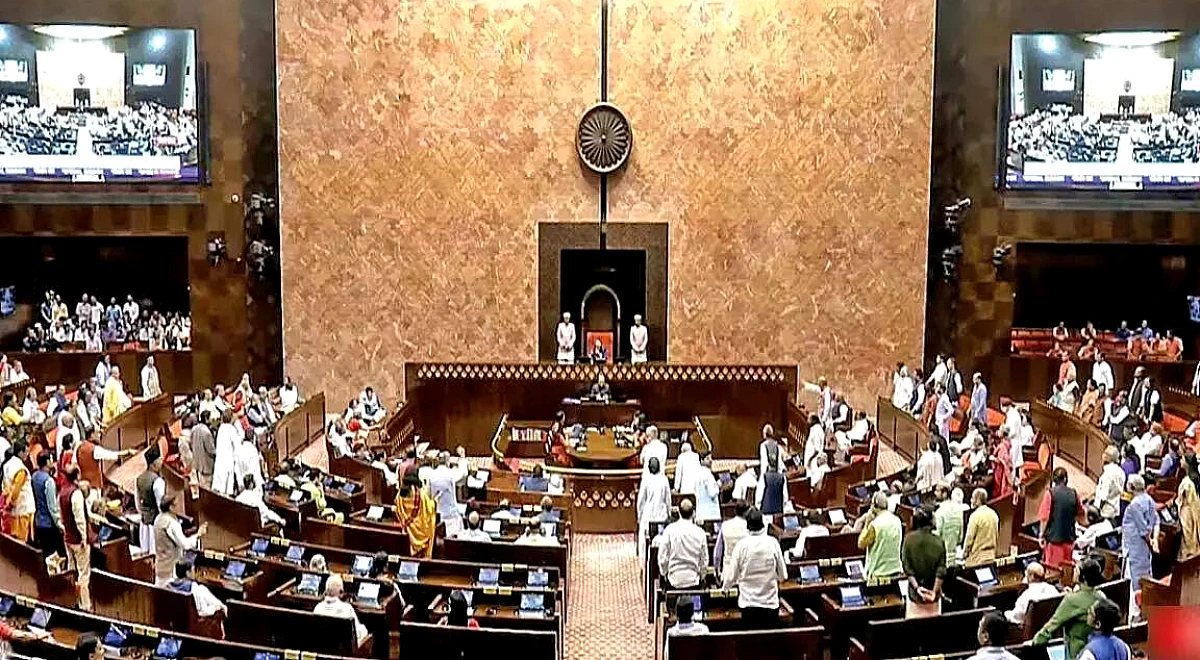
Separately, BJP general secretary Smriti Irani also attacked Gandhi over his remarks, asking him to support the implementation of the 33% reservation for women in legislatures.
“Since he has invoked religion, I have a request to that prominent leader of the Congress. The verses of Vande Mataram, some of which were halted at the Congress headquarters, contain a reference to Goddess Durga," Irani told the reporters.
Malviya’s post and Irani’s remarks come as the BJP steps up its response to Gandhi’s Pune outreach programme and his comments on women’s rights and patriarchy.
Rahul Gandhi defines women's empowerment as women being able to define themselves as professionals, sportspersons, leaders, creators, and entrepreneurs, not solely by their relationships with men. He also highlights the pressures women face in education and employment. In contrast, BJP leaders like Smriti Irani and Bansuri Swaraj focus on women's political representation, particularly through the 33% reservation law for women in Parliament.
The Women's Reservation Bill, also known as the Nari Shakti Vandan Adhiniyam, was implemented on April 16, 2026. It provides for a 33% reservation for women in the Lok Sabha and state assemblies. The Union Cabinet approved constitutional amendments and a Delimitation Bill to expedite this, using 2011 Census data. The reservations are linked to the completion of the delimitation process after the 2027 census, meaning they cannot be implemented before 2034.
The debate over Rahul Gandhi's "smash patriarchy" remark and women's representation could influence upcoming elections, as political parties use such discussions to highlight their commitment to women's empowerment. The BJP has challenged the Congress's record on women in key positions, while also urging support for the Women's Reservation Bill. Such political exchanges are likely to be used by parties to appeal to women voters.
Comments ()
Be the first to share your perspective on this story!